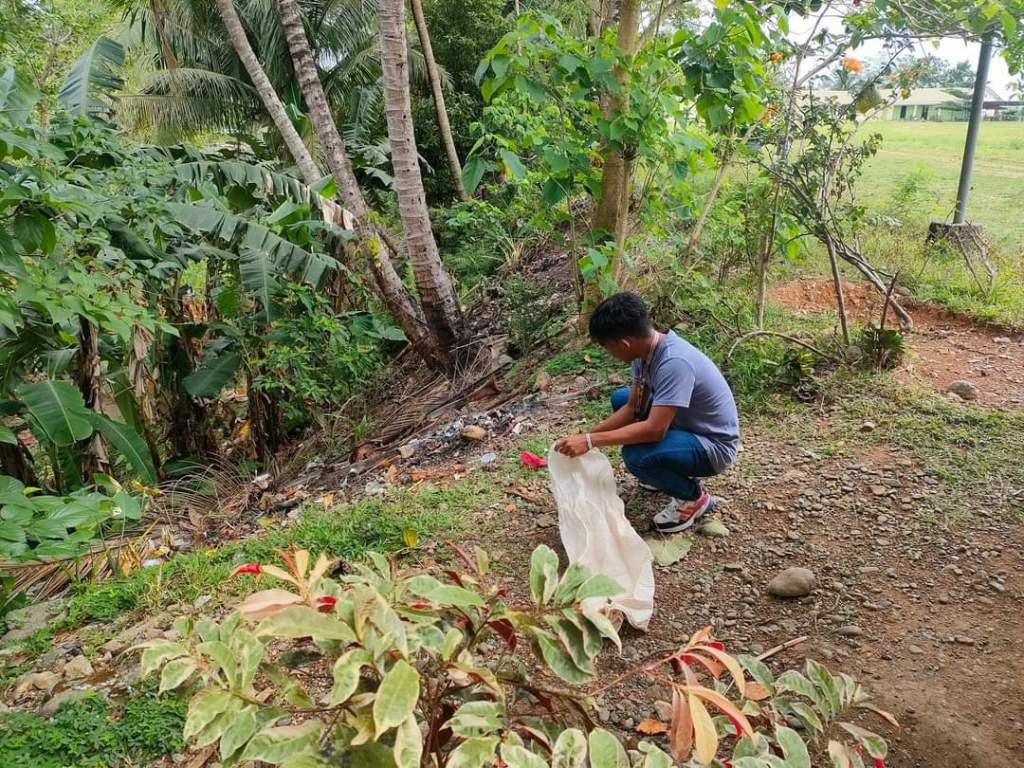
Taking care of the environment is something that is in everyone’s hands and that is why we should do our best to take care of the world we live in, because by taking care of our planet, we are taking care of ourselves.
There are many things we can do to improve our quality of life, to live in harmony with the rest of the species, to guarantee the resources of the planet for our generation and the future ones that are to come. Together, by doing our bit, we can make the world a better place.
What can I do to take care of the environment?
- Before throwing something away we should ask ourselves if we can reuse, recycle or repair it (the famous 3Rs). If it is not useful for us, it may be useful for someone else or someone else can repair it, so it is worth thinking about it before throwing it away.
- We should unplug any electrical appliances that we do not use. Keeping appliances and other equipment plugged in to the mains is an unnecessary expense. They can waste up to 33% of energy, which is a lot, even if it doesn’t look like it. Leaving them plugged in allows them to continue wasting light.
- Substitute chemical cleaning products for natural products, because they are very harmful to the environment and practically all our homes can be cleaned with soap, bicarbonate, vinegar and lemon. Your skin will also thank you. So avoid bleach, oven cleaners, floor cleaners, window cleaners, etc. There is a more natural and ecological alternative for each of these products.
- Never throw toxic products, paint or used oil down the drain or into the toilet, as they pollute a lot. Ask your local council or water company how you should recycle them. Also, oil can be recycled by making bar soap and has many uses.
- Avoid junk food or precooked food. Apart from having many additives, preservatives, colorants, etc. It is over-packaged, i.e. more packaging is used than is necessary to package it. They all tend to end up on the ground, in the forest or in the sea, where the rubbish accumulates and harms the animals. It is better to use natural, seasonal and locally produced products, of KM 0 if possible, this will reduce costs, C02 emissions to the environment and much more.
- Store food in reusable lunch boxes, jars or glass lids, rather than using cling film or aluminium foil.
- Try to use the car as little as possible. If you go to work and cannot use public transport, try to share a car with several workers. Otherwise, use a bicycle, bus, subway or other more environmentally friendly alternative.

 Performance Task