Healing the Environment

There are various ways to help heal the environment. Here are some suggestions:
  1. Reduce, Reuse and Recycle: This is one of the most effective ways to reduce the amount of waste that ends up in landfills, which pollute the environment. By reducing the amount of waste that we produce, we can help to conserve resources and reduce our impact on the environment.
  2. Consume Responsibly: It is important to make informed choices when buying products. Choose products that are environmentally friendly, made from sustainable materials or produced in a way that minimizes environmental impact.
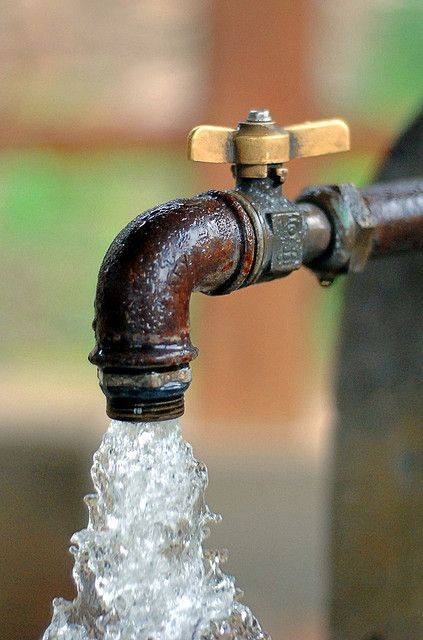
  3. Save Water: Water is a precious resource. Conserving water can help to reduce the amount of energy required to transport, treat, and heat water, and also helps to reduce the amount of pollution entering waterways.
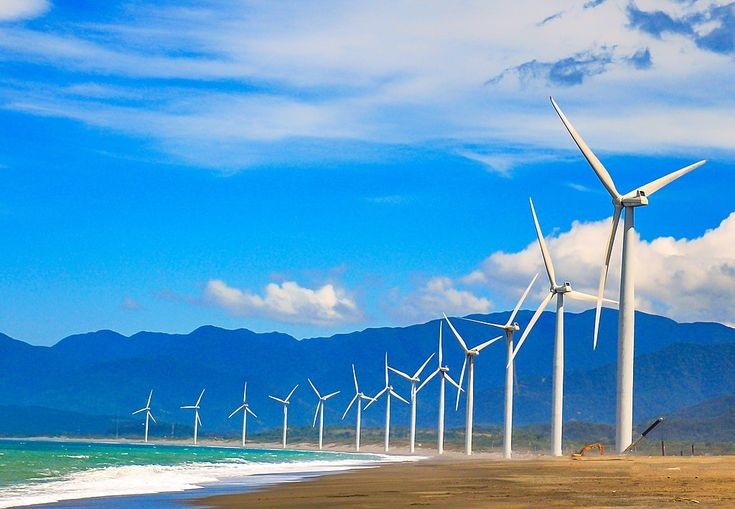
  4. Use Renewable Energy: Using renewable energy sources like wind, solar, and hydro power can help to reduce greenhouse gas emissions and slow down climate change.
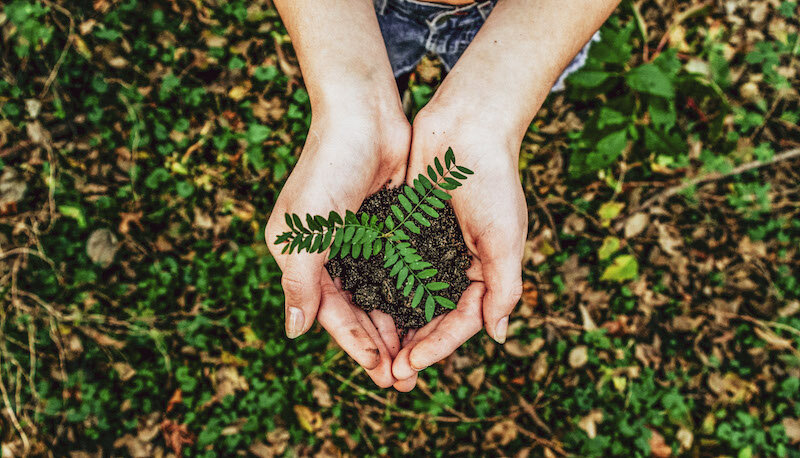
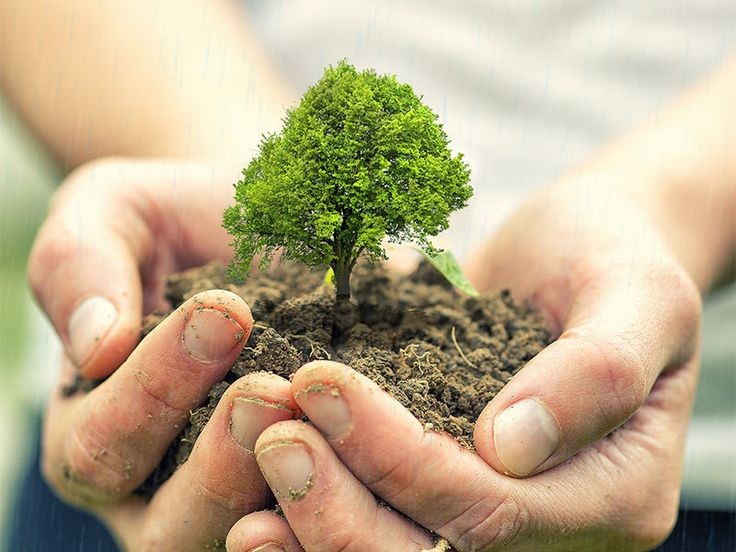
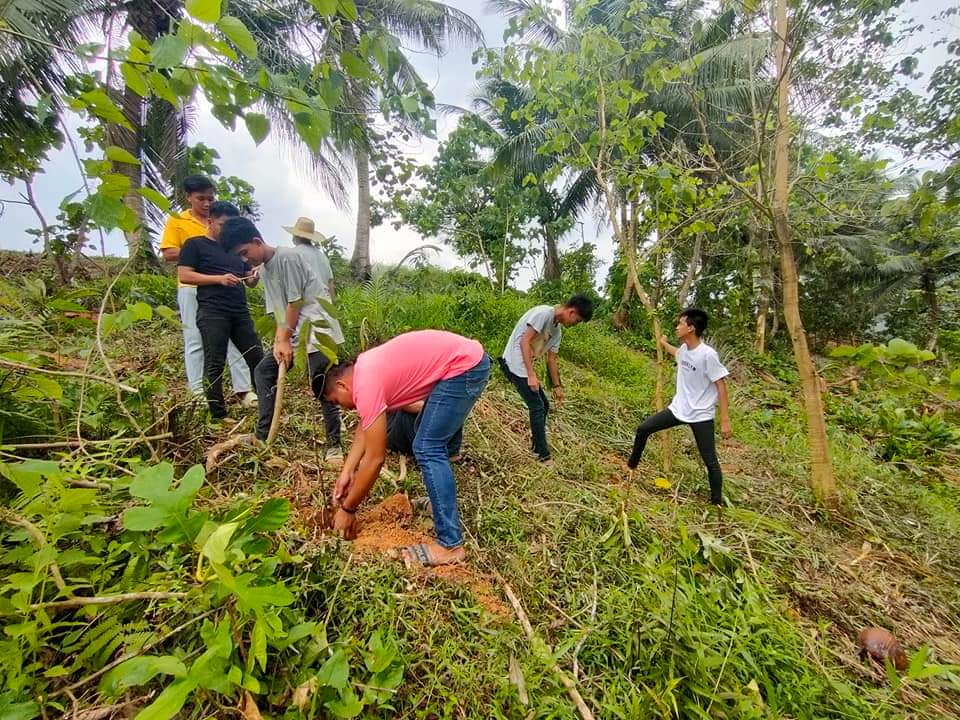
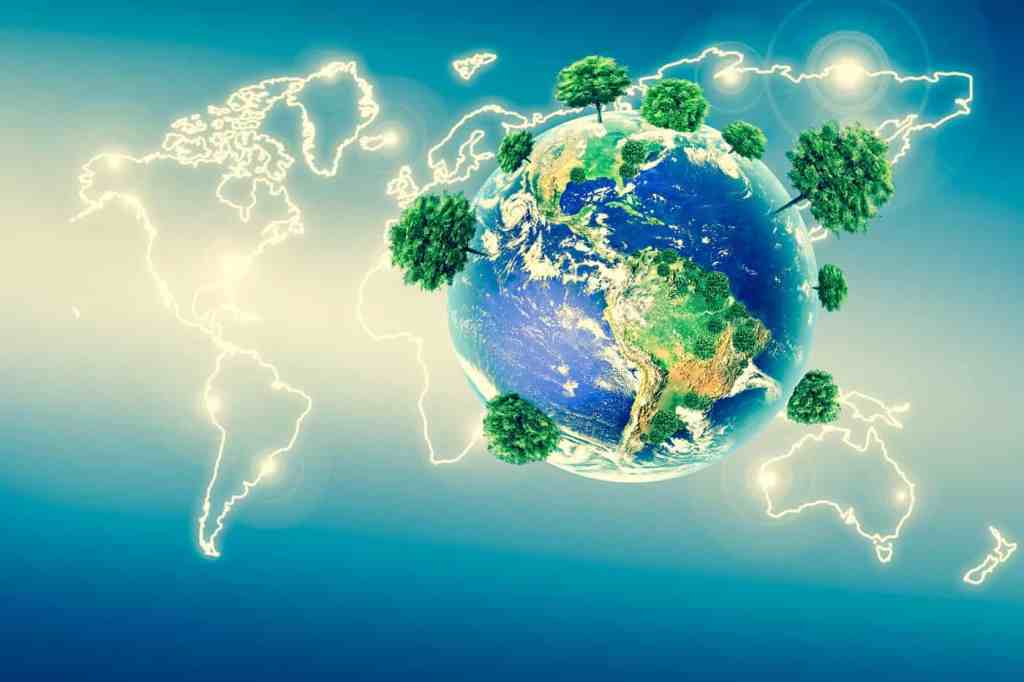
  5. Plant Trees: Trees help to purify the air, provide shade and reduce the impact of climate change. Planting trees is a simple and effective way to heal the environment.
  6. Support Conservation Efforts: Contribute to conservation organizations that support the protection of wildlife and their habitats, including marine and land species.
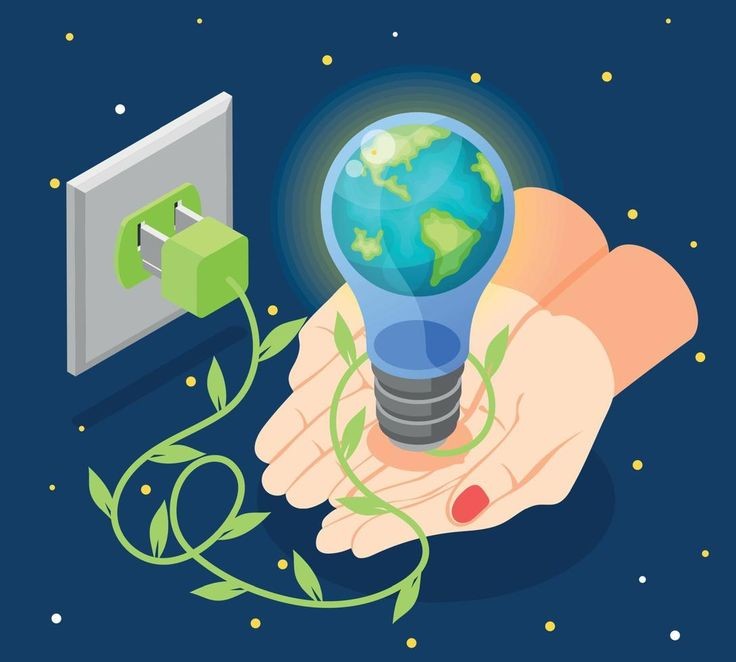
  7. Reduce Energy Consumption: Reducing energy consumption helps to reduce greenhouse gas emissions, saves money and helps protect our planet. You can reduce energy consumption by using energy-efficient appliances and turning off electronics when not in use.

Remember that every small action counts and can make a difference in healing the environment.

Restore our Earth

The theme for Earth Month 2023 is “Restore Our Earth,” which highlights the need to not only mitigate the impacts of climate change but also to reverse the damage that’s already been done. There are many ways that individuals, communities, and businesses can contribute to this effort.

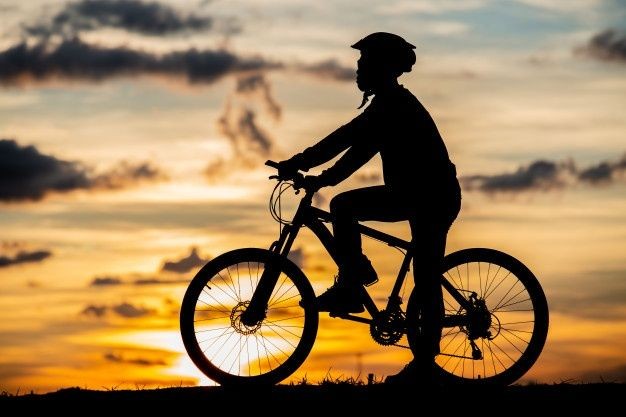
One of the most important things we can do is reduce our carbon footprint. This can be done in many ways, such as using public transportation, biking or walking instead of driving, eating a plant-based diet, and reducing energy consumption in our homes and workplaces.

Another important action we can take is to support renewable energy. This can be done by investing in solar or wind power, supporting legislation that promotes renewable energy, and advocating for the transition away from fossil fuels.

In addition, we can support conservation efforts by protecting and restoring natural habitats. This can be done by volunteering with local conservation organizations, supporting policies that protect endangered species, and reducing our use of single-use plastics that harm marine life.

Finally, we can work to raise awareness about the importance of environmental protection. This can be done by sharing information on social media, participating in community events and discussions, and educating ourselves and others about the impacts of climate change and the actions we can take to mitigate them.

As we celebrate Earth Month 2023, let’s remember that we all have a role to play in protecting our planet. By taking action and working together, we can help restore our earth and ensure a sustainable future for generations to come.

Collective Effort and a Sustained Approach

Making the Earth pollution-free is a monumental task, but there are several steps we can take to reduce pollution. Here are some suggestions:

  1. Reduce the use of single-use plastic: Single-use plastics like straws, bags, and water bottles are major pollutants that end up in our oceans and landfills. It is essential to reduce the use of such plastic items to reduce pollution.
  2. Shift towards clean energy: Moving towards clean energy like solar, wind, and water can reduce pollution caused by fossil fuels.
  3. Encourage green transportation: Encourage the use of public transportation, cycling, walking, eco-friendly vehicles over fuel-based vehicles, thereby reducing pollution emissions from transportation.
  4. Plant trees: Trees play a vital role in reducing pollution by absorbing carbon dioxide from the atmosphere. Planting trees not only reduces pollution but also improves the air quality around us.
  5. Proper waste disposal: Proper waste management is crucial to reducing pollution. It is important to segregate waste, recycle, and dispose of hazardous waste properly to minimize its impact on the environment.
  6. Use eco-friendly products: Using eco-friendly products, such as those made from biodegradable materials, can help to reduce pollution.
  7. Spread awareness: Educate and create awareness among friends, family, and your community about the importance of reducing pollution and encourage them to take steps to reduce it.

In conclusion, making the earth pollution-free requires a collective effort and a sustained approach from all individuals, governments, and businesses. It is crucial to take proactive steps towards reducing pollution and keeping our environment healthy for generations to come.

Making the Environment Sustainable

To make the environment sustainable, we need to focus on the following steps:

  1. Renewable Energy: One of the most important steps is to transition away from fossil fuel-based energy towards renewable energy sources like solar, wind, hydro, geothermal, and others. This will reduce greenhouse gas emissions and mitigate the impact of climate change.
  2. Sustainable Agriculture: Implementing sustainable agricultural methods like crop rotation, conservation tillage, intercropping, and natural pest control can help reduce soil erosion, improve soil health, save water, and minimize the use of harmful fertilizers and pesticides.
  3. Conservation of Natural Resources: Conserving natural resources like forests, water, and minerals is essential to achieving sustainability. This can be achieved by reducing wastage of resources, using sustainable materials, and promoting recycling.
  4. Green Infrastructure: Building green infrastructure like green roofs, permeable pavements, and urban forests can help reduce the urban heat island effect, improve air quality, and reduce stormwater runoff.
  5. Sustainable Transportation: Encouraging sustainable transportation like walking, cycling, using public transportation, carpooling, and using electric vehicles instead of fuel-based can help reduce greenhouse gas emissions and air pollution.
  6. Education and Awareness: Educating people about the importance of sustainability and increasing awareness about the impact of human activities on the environment is critical to achieving sustainability.

In summary, making the environment sustainable requires a collective effort from individuals, governments, and businesses. It requires a shift from our current way of life to a more responsible and sustainable approach that reduces our ecological footprint and preserves natural resources for future generations.

Environmentally Conscious Choices

There are several ways we can help heal the environment. Here are a few suggestions:

  1. Reduce, Reuse, and Recycle: The three R’s are a popular mantra to reduce waste. By reducing our consumption and reusing items where possible, we can reduce the amount of waste we generate. Additionally, recycling reduces the amount of trash going to landfills.
  2. Plant Trees: Trees play a vital role in reducing carbon dioxide and other pollutants in the environment. Planting trees not only creates habitats for animals but also helps in abating the greenhouse effect caused by fossil fuels.
  3. Use Eco-Friendly Products: Eco-friendly products are made from sustainable materials that are biodegradable and do not harm the environment during their production or disposal.
  4. Use Public Transportation or Electric Cars: Using public transportation or driving electric cars helps reduce carbon emissions and improves air quality.
  5. Conserve Water: Water is a scarce resource and needs to be conserved. Simple measures such as fixing leaky faucets, taking showers instead of baths, and washing clothes in cold water can make a big difference to conserve water.

These are just a few suggestions, but there are many more ways to help heal our environment. It is essential to be mindful of our actions and to make environmentally conscious choices to ensure a sustainable future.

Sustainable Living

Find out how you can help wildlife with simple tips. Even doing something small can make a big difference.

1. Reduce, reuse, and recycle: Follow the 3Rs of waste management to reduce the amount of waste you produce.

2. Conserve water: Turn off the tap when not in use, fix leaking pipes, use low flow showerheads and toilets to reduce water consumption.

3. Use energy-efficient devices: Switch to LED lights, energy star rated appliances, and turn off electronics and lights when not in use.

4. Plant trees: Planting trees helps to absorb carbon dioxide from the air, reduce the effects of greenhouse gases, and generate oxygen.

5. Use public transport, carpool, or bike: Use eco-friendly means of transportation instead of private cars, especially for short distances.

6. Use less plastic: Use refillable water bottles, cloth bags and avoid buying single-use plastics.

7. Buy local and organic foods: Supporting local farmers and using organic products helps reduce the carbon footprint of transportation and agricultural practices.

8. Support wildlife conservation: Take steps to protect the environment and wildlife in your region, including contributing to conservation organizations or volunteering.

Remember, every small action counts in helping the environment. Start with one step at a time, and make a long-term commitment to making the planet a better place for all.
7 TIPS TO TAKE CARE OF THE ENVIRONMENT

    Taking care of the environment is something that is in everyone’s hands and that is why we should do our best to take care of the world we live in, because by taking care of our planet, we are taking care of ourselves.

    There are many things we can do to improve our quality of life, to live in harmony with the rest of the species, to guarantee the resources of the planet for our generation and the future ones that are to come. Together, by doing our bit, we can make the world a better place.

    What can I do to take care of the environment?

    • Before throwing something away we should ask ourselves if we can reuse, recycle or repair it (the famous 3Rs). If it is not useful for us, it may be useful for someone else or someone else can repair it, so it is worth thinking about it before throwing it away.
    • We should unplug any electrical appliances that we do not use. Keeping appliances and other equipment plugged in to the mains is an unnecessary expense. They can waste up to 33% of energy, which is a lot, even if it doesn’t look like it. Leaving them plugged in allows them to continue wasting light.
    • Substitute chemical cleaning products for natural products, because they are very harmful to the environment and practically all our homes can be cleaned with soap, bicarbonate, vinegar and lemon. Your skin will also thank you.  So avoid bleach, oven cleaners, floor cleaners, window cleaners, etc. There is a more natural and ecological alternative for each of these products.
    • Never throw toxic products, paint or used oil down the drain or into the toilet, as they pollute a lot. Ask your local council or water company how you should recycle them. Also, oil can be recycled by making bar soap and has many uses.
    • Avoid junk food or precooked food. Apart from having many additives, preservatives, colorants, etc. It is over-packaged, i.e. more packaging is used than is necessary to package it. They all tend to end up on the ground, in the forest or in the sea, where the rubbish accumulates and harms the animals. It is better to use natural, seasonal and locally produced products, of KM 0 if possible, this will reduce costs, C02 emissions to the environment and much more.
    • Store food in reusable lunch boxes, jars or glass lids, rather than using cling film or aluminium foil.
    • Try to use the car as little as possible. If you go to work and cannot use public transport, try to share a car with several workers. Otherwise, use a bicycle, bus, subway or other more environmentally friendly alternative.

    Protecting Our Planet Starts With You

    Nine Simple Things You Can Do to Help Protect the Earth

    • Reduce, reuse, and recycle. Cut down on what you throw away. Follow the three “R’s” to conserve natural resources and landfill space.
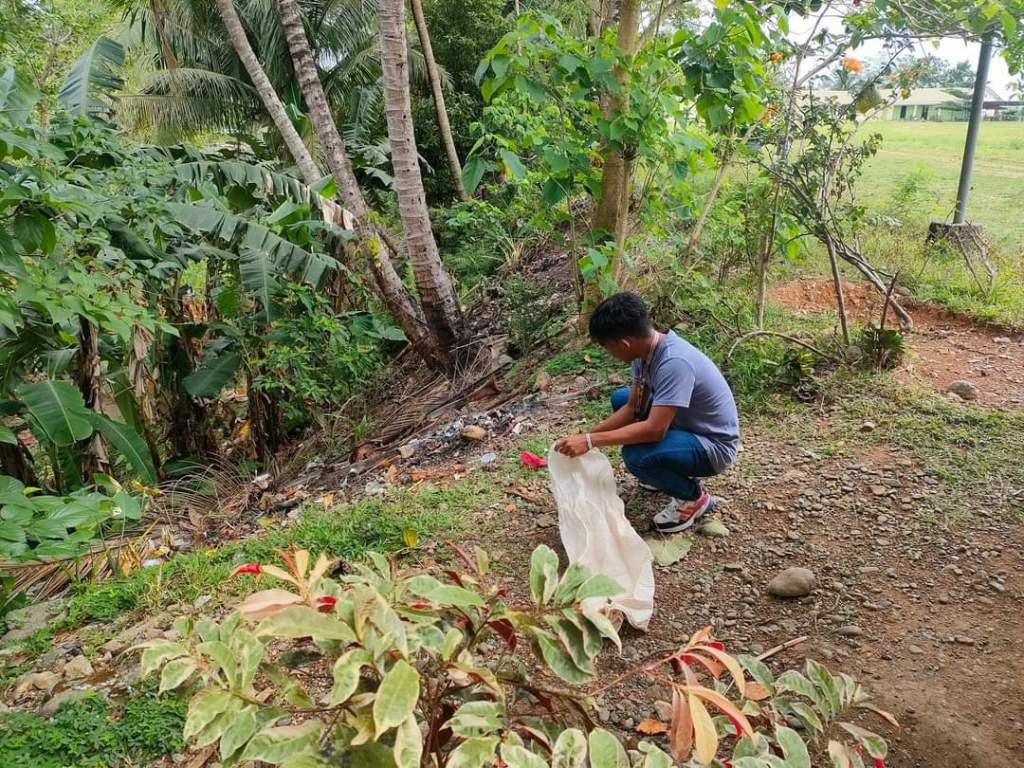
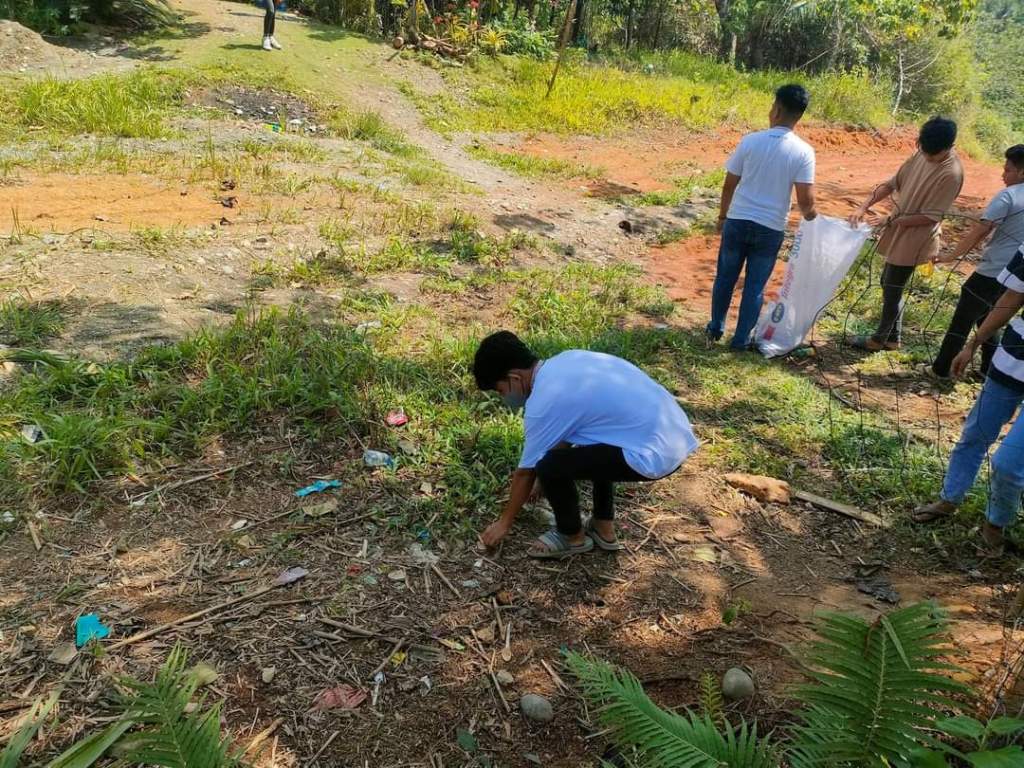
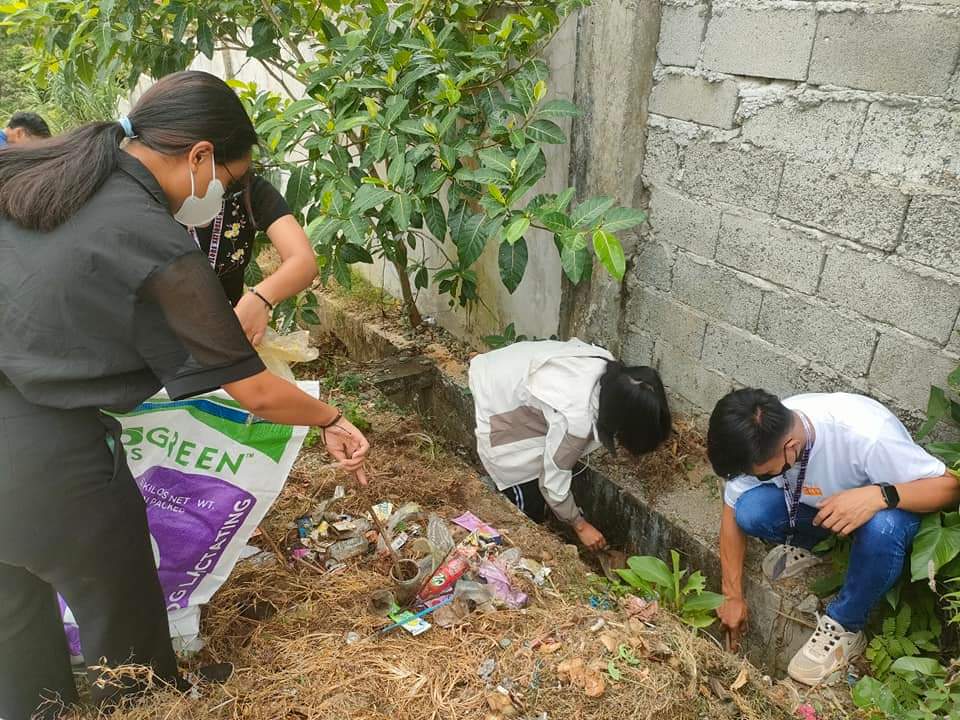
    • Volunteer. Volunteer for cleanups in your community. You can get involved in protecting your watershed, too.
    • Educate. When you further your own education, you can help others understand the importance and value of our natural resources.
    • Conserve water. The less water you use, the less runoff and wastewater that eventually end up in the ocean.
    • Shop wisely. Buy less plastic and bring a reusable shopping bag.
    • Use long-lasting light bulbs. Energy efficient light bulbs reduce greenhouse gas emissions. Also flip the light switch off when you leave the room!
    • Plant a tree. Trees provide food and oxygen. They help save energy, clean the air, and help combat climate change.
    • Don’t send chemicals into our waterways. Choose non-toxic chemicals in the home and office.
    • Bike more. Drive less.

    Saving Earth

    Saving our Earth is crucial for the survival of humanity and all living species. Here are some tips on how we can save our planet:

    Reduce, reuse and recycle: This is one of the simplest and most effective ways to save the Earth. By reducing the amount of waste we produce, reusing items, and recycling materials, we can help reduce the amount of pollution and carbon emissions.

    Use renewable energy sources: Traditional energy sources such as coal and oil are major sources of greenhouse gas emissions. Using renewable energy sources such as wind, solar, and hydropower can significantly reduce our carbon footprint.

    Plant more trees: Trees play a crucial role in removing carbon dioxide from the atmosphere and producing oxygen. Planting more trees can help restore natural habitats and mitigate climate change.

    Reduce water usage: Water is a precious resource that we must conserve. We can reduce our water consumption by fixing any leaks, taking shorter showers, and using water-saving appliances.

    Support eco-friendly companies: By choosing to support companies that are environmentally conscious, we can encourage more sustainable practices and help reduce pollution.

    Use public transportation or carpool: Cars are major contributors to air pollution and greenhouse gas emissions. Using public transportation or carpooling can significantly reduce our carbon footprint.

    By following these tips and making sustainable choices in our daily lives, we can all play a role in saving our Earth for future generations.

    Preserving and Protecting our Planet

    Taking care of the Earth is everyone’s responsibility. As inhabitants of this planet, it is our duty to preserve and protect it for future generations. Here are some ways in which we can take care of the Earth:

    1. Reduce, Reuse, Recycle: The three R’s are essential in reducing waste. By reducing the amount of waste we produce, we are helping to reduce the amount of greenhouse gases that are released into the atmosphere. Reusing items helps to reduce the number of resources needed to make new items, and recycling helps to keep materials out of landfills.

    2. Conserve Water: Water is a precious resource, and we must conserve it. Simple steps such as turning off the tap while brushing your teeth, fixing leaky faucets, and using water-efficient appliances can go a long way in conserving water.

    3. Save Energy: Conserving energy not only helps to reduce your electricity bills but also helps to reduce the amount of greenhouse gases that are released into the atmosphere. You can save energy by turning off lights and appliances when they are not in use, using energy-efficient appliances, and using natural light during the day.

    4. Plant Trees: Trees are an important part of our ecosystem. They provide oxygen, absorb carbon dioxide, and provide habitats for wildlife. Planting trees in your backyard or in your community can help to reduce the amount of carbon dioxide in the atmosphere.

    5. Reduce Carbon Footprint: Our carbon footprint is the amount of carbon dioxide that we release into the atmosphere through our daily activities. Simple steps such as walking or cycling instead of driving, using public transportation, and using energy-efficient appliances can help to reduce our carbon footprint.

    6. Support Conservation Efforts: Supporting conservation efforts such as protecting wildlife habitats, reducing pollution, and promoting sustainable practices can help to preserve the Earth for future generations.

    In conclusion, taking care of the Earth requires a collective effort from everyone. By following these simple steps, we can all make a difference in preserving and protecting our planet.