Nurturing Environment

Creating and nurturing a healthy environment is essential for our well-being and the planet’s sustainability. It is not only important for us to take care of the environment we live in, but it is also our responsibility to maintain it for future generations. Here are some tips on how to nurture the environment:
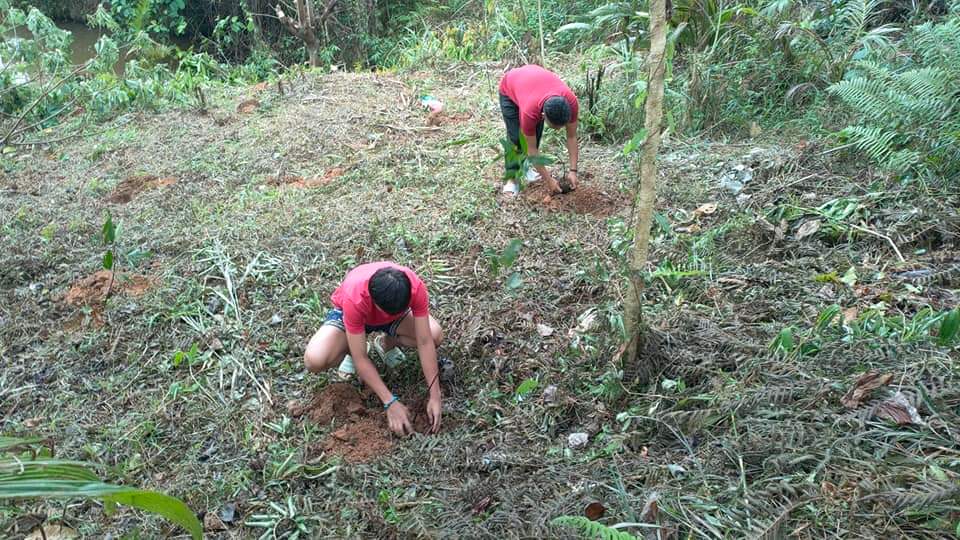
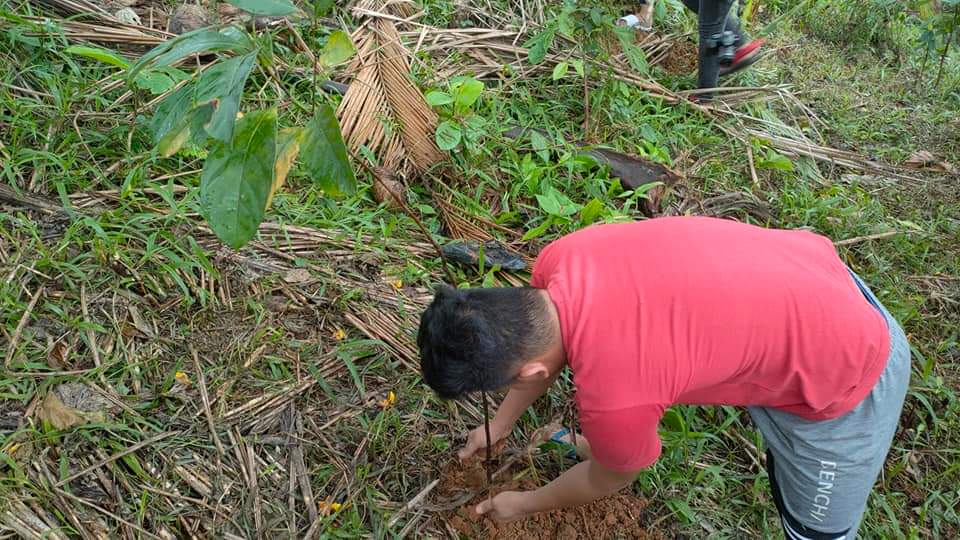
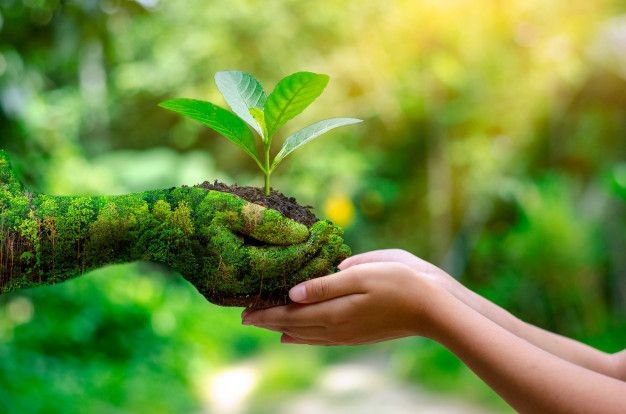
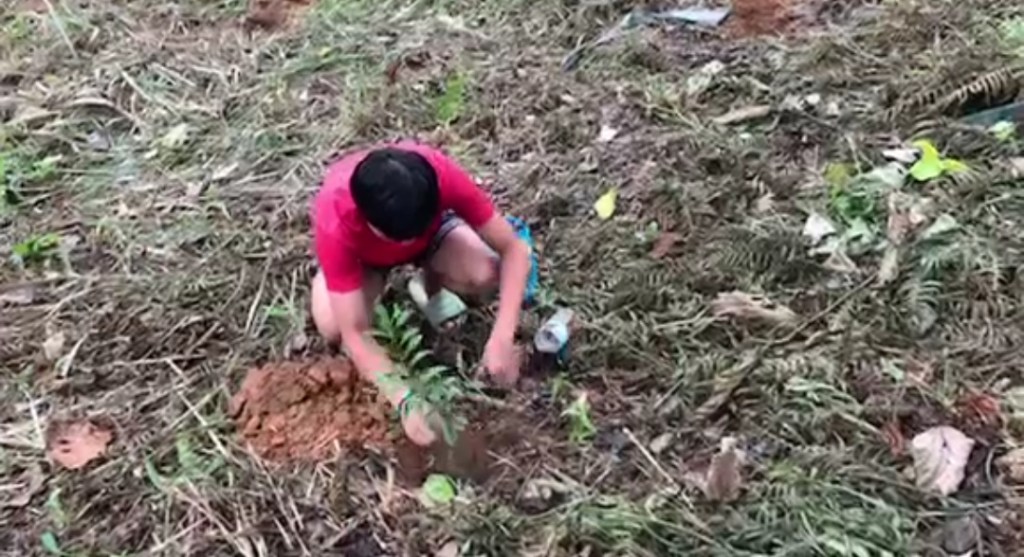
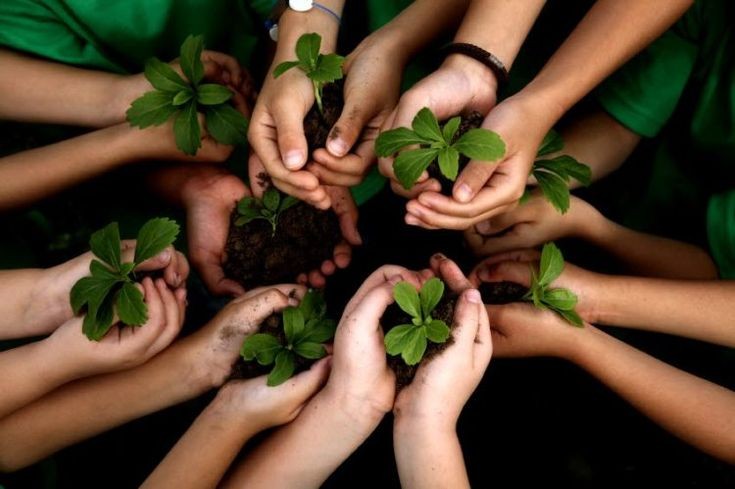
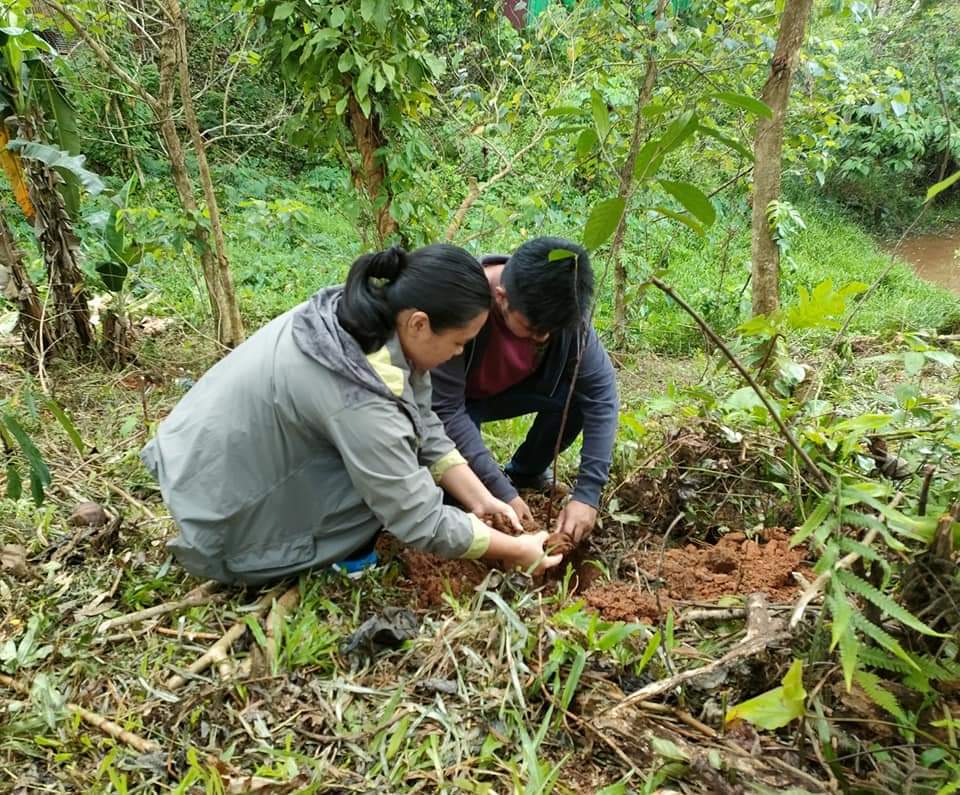
Trees play a crucial role in maintaining the ecological balance. They absorb carbon dioxide and release oxygen, which is essential for the survival of living beings. Planting trees in your neighborhood or participating in tree-planting drives can help in increasing the green cover and purifying the air.

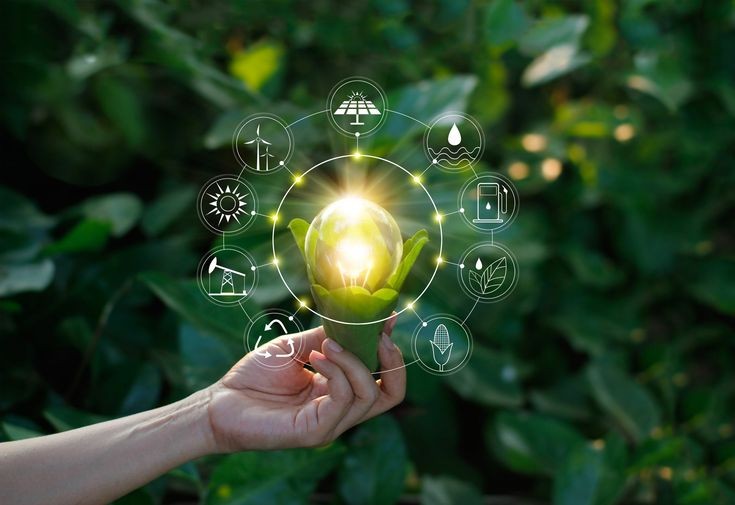
Renewable energy sources like solar, wind, and hydro can help reduce our dependence on fossil fuels. Investing in renewable energy sources for your home or business can help decrease your carbon footprint and reduce air pollution.

Earth provides enough to satisfy every man’s need, but not every man’s greed.

Mohandas K. Gandhi (1869-1948)

Single-use plastics like straws, water bottles, and plastic bags have a significant impact on the environment. Opting for reusable alternatives like glass bottles, cloth bags, and metal straws can help in reducing plastic pollution.

Supporting local farmers by purchasing locally grown produce helps in reducing the carbon footprint associated with transporting food over long distances. It also promotes sustainable farming practices that protect the environment.
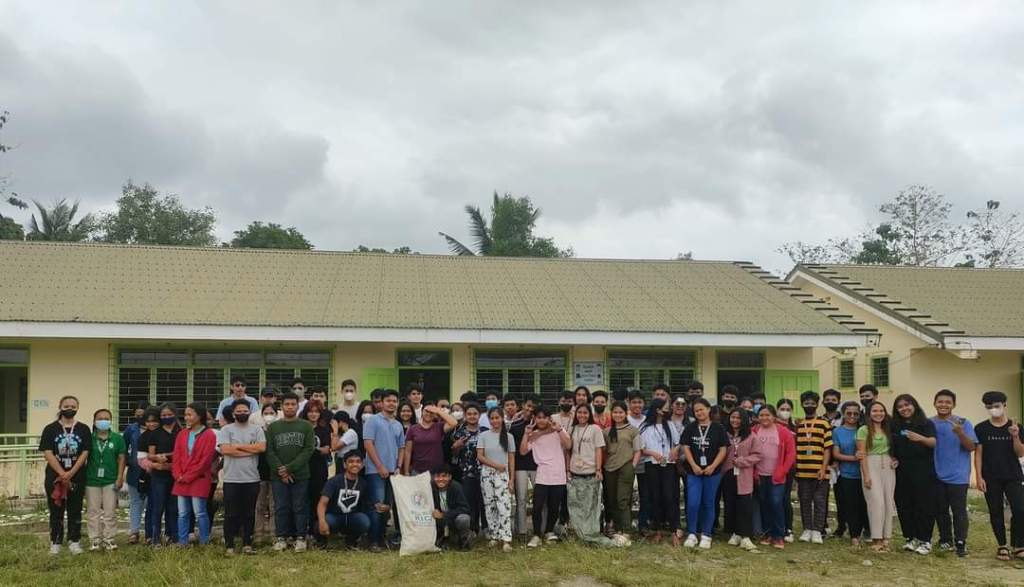
Educating others about the importance of environmental conservation and the steps they can take to protect the environment is crucial. Encouraging friends and family to adopt eco-friendly practices can help in creating a sustainable future for all.

Nurturing the environment requires a collective effort from all of us. By incorporating simple practices in our daily lives, we can significantly reduce our impact on the environment and contribute towards a sustainable future.
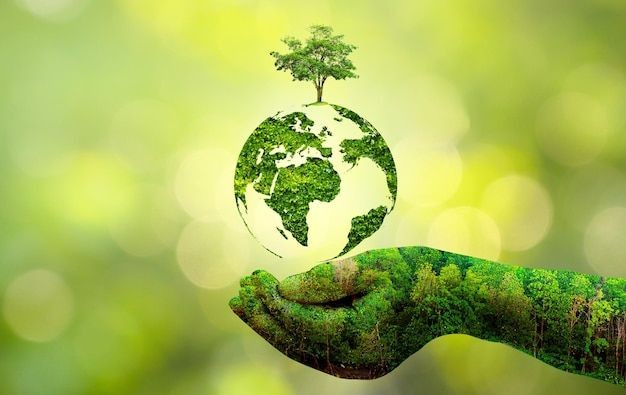

How to Save Our Environment

Our environment is one of the most precious resources that we possess, yet it is being threatened by the effects of climate change and human activities. From plastic pollution in our oceans to deforestation, the damage we are causing to the environment is significant and alarming. We must take action to preserve it, not just for ourselves but for future generations. Here are some top tips to help save our environment:

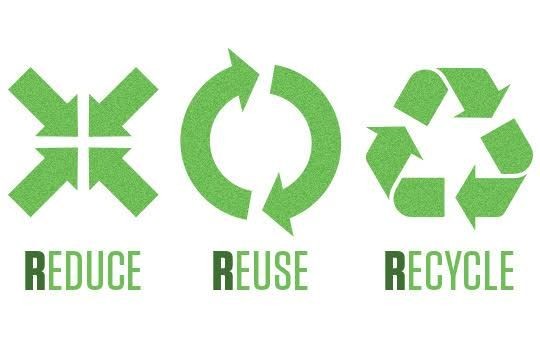
1. Reduce, Reuse, and Recycle – This is the golden rule of environmental conservation. You can reduce your carbon footprint by recycling and reusing items instead of throwing them away. Plastics, paper, and other materials can be recycled and used again, often without losing quality. By implementing this habit in your daily life, you can help reduce landfill waste and minimize the need for raw materials.

2. Use Energy-Efficient Appliances – Home appliances such as refrigerators, air conditioners, and washing machines consume a lot of energy. Switching to energy-efficient models can save you money on your electric bill while reducing greenhouse gas emissions. Energy Star-certified devices consume less energy than their non-certified counterparts and are an excellent investment in the long run.

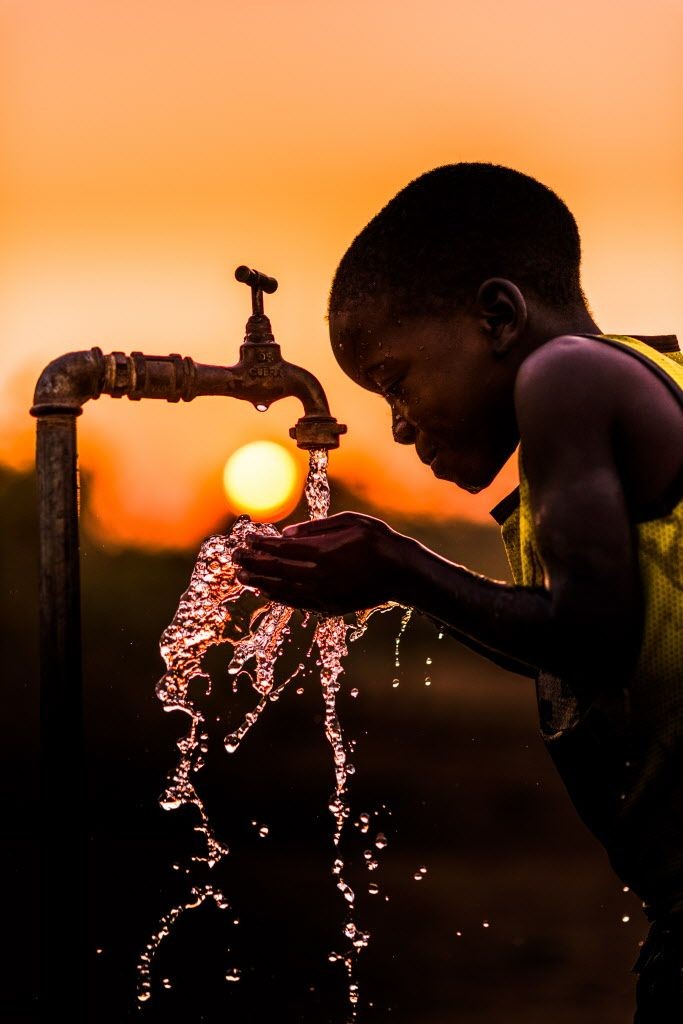
3. Save Water – Water is an essential resource that we tend to take for granted. There are several ways to conserve it, such as fixing leaks, turning off the tap when brushing your teeth, and taking shorter showers. Water-saving showerheads can also help save water without sacrificing comfort. By cutting back on water usage, you can reduce water and energy bills as well as conserve this vital resource.

4. Plant Trees – Trees absorb carbon dioxide and emit oxygen, which makes them one of the most effective tools in combating climate change. Plant more trees in your backyard, neighborhood, or community. They can provide shade, reduce soil erosion, and enhance the aesthetic of your surroundings. Get involved in local reforestation and greening projects to make a larger impact.

5. Support Sustainable Agriculture – The food industry is a significant contributor to greenhouse gas emissions, deforestation, and habitat destruction. Supporting sustainable agriculture practices such as buying locally-sourced foods and supporting organic farms can help reduce harmful practices in the food industry while supporting small businesses. Additionally, reducing meat intake and opting for plant-based alternatives can help reduce carbon footprint.

There are many ways to reduce your impact on the environment and preserve it for future generations. By implementing these tips in your daily life, you can become a more responsible and conscious citizen. No matter what lifestyle you lead, you can contribute to the effort of saving our environment. The key is to start small and act locally. Remember, every action counts.

The Earth Nurturers

Our planet is facing a multitude of environmental challenges, from climate change and air pollution to deforestation and wildlife extinction. As individuals, we may feel helpless in the face of such overwhelming problems, but there are many simple steps we can take to make a positive impact on the environment. By adopting eco-friendly habits and making conscious choices in our daily lives, we can help protect the planet for future generations.

One of the easiest ways to take care of our environment is to reduce our consumption of single-use plastics. Plastic pollution is a major environmental problem, with plastic waste filling our oceans, harming marine life and disrupting ecosystems. By switching to reusable alternatives such as reusable water bottles, shopping bags, and straws, we can significantly reduce our plastic footprint. We can also recycle plastic items to ensure they don’t end up in landfills or oceans.

Another important step we can take is to conserve energy and reduce our carbon footprint. This can be achieved by turning off lights and electronics when not in use, using energy-efficient appliances, and choosing renewable energy sources such as solar or wind power. Reducing our reliance on fossil fuels can help mitigate the effects of climate change and improve air quality.

Water conservation is also crucial for maintaining a healthy environment. We can reduce our water usage by fixing leaks, taking shorter showers, and using low-flow showerheads and toilets. By conserving water, we can also reduce the energy required to pump, treat, and deliver water to our homes, which in turn reduces our carbon footprint.

In addition to these steps, we can also make more conscious choices when it comes to our food choices. Eating a plant-based diet or reducing our consumption of meat and dairy products can significantly reduce our carbon footprint. We can also support local and organic food producers, which reduces the environmental impact of transportation and chemical use in farming.

Finally, we can support environmental organizations and advocate for policies that protect the environment. By donating to organizations that work to protect wildlife and ecosystems, we can help ensure that future generations can enjoy a healthy, thriving planet. We can also contact our elected officials and urge them to support policies that promote renewable energy, conservation, and sustainable practices.

Taking care of our environment is a collective responsibility that requires individual action. By adopting eco-friendly habits and making conscious choices, we can reduce our impact on the planet and help protect it for future generations.

Caring for Our World

Our world is a complex and beautiful system of interdependent elements that provide us with the resources and habitats necessary for our survival. Unfortunately, human activities have significantly impacted these natural systems, leading to ecological imbalances and climate change. Taking care of our world involves creating sustainable living practices that minimize our environmental impact. Here are some tips for caring for our world:

Firstly, it is crucial to reduce our energy consumption. We rely on fossil fuels for our energy needs, and burning them releases harmful greenhouse gases that contribute to climate change. We can reduce our energy use by turning off lights, powering down electronics when not in use, switching to energy-efficient appliances, and using public transportation or biking instead of driving.

Secondly, we should reduce, reuse, and recycle. Pollution and waste products are major contributors to ecological imbalances in our world. We can reduce our waste by reusing products like bags and bottles, recycling waste products, and buying items made from recycled materials.

Thirdly, it is essential to support eco-friendly businesses and practices. Businesses that prioritize sustainability uphold practices that reduce their environmental impact by using renewable energy sources, reducing waste, or minimizing carbon emissions. Supporting such businesses means choosing products and services that are environmentally friendly and sustainable.

Fourthly, we should support conservation efforts and habitat protection. Protecting and preserving natural habitats for wildlife is integral to the ecological health of our world. We can support organizations that work towards plant and wildlife conservation and avoid activities that harm ecosystems or wildlife.

Lastly, we should learn and educate others about caring for our world. Knowledge can inspire people to take actions that prioritize sustainability, reduce their ecological impact, and encourage others to do the same.

Caring for our world is a collective responsibility. Adopting sustainable practices can help us restore ecological balance, reduce our environmental impact, and promote a healthier planet for future generations. These green initiatives need constant commitment, and every action we take today will help shape our world’s future. Therefore, let us take these simple steps to work towards a sustainable future.
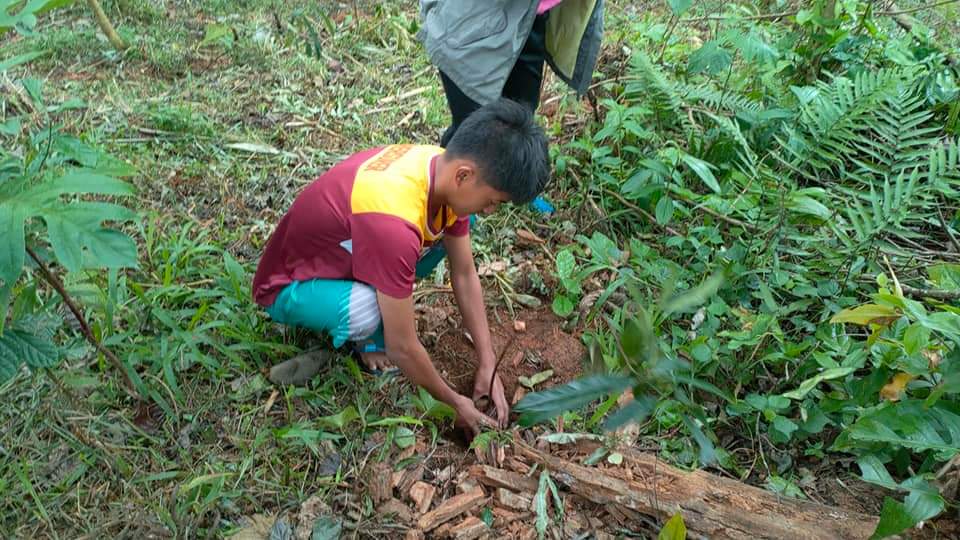
Tips for caring for our world:

  • Reduce your energy consumption
  • Reduce, reuse, and recycle
  • Support eco-friendly businesses and practices
  • Support conservation efforts and habitat protection
  • Learn about and educate others on caring for our world.

Eco-Friendly Tips: How to Take Care of Our Environment

We are all stakeholders in maintaining a healthy and sustainable environment. It is our collective responsibility to take care of our planet for future generations. Fortunately, there are various simple yet effective ways to reduce our carbon footprint and make a positive impact on the environment.

Here are some eco-friendly tips on how to take care of our environment:

Firstly, it is essential to conserve energy. By turning off lights, appliances, and electronics when not in use or opting for energy-efficient products, we can reduce our energy consumption. By minimizing our energy consumption, we reduce energy wastage and greenhouse gas emissions, which helps combat climate change.

Secondly, we can save water by using it wisely and conservatively. This can be done by fixing water leaks, taking shorter showers, and turning off taps when brushing teeth or shaving. Using water responsibly conserves this precious resource and helps reduce pollution, thus making it environmentally friendly.

Thirdly, we can reduce our reliance on single-use plastic products such as bags, bottles, and straws. Instead, opt for reusable alternatives like fabric bags, glass bottles, and metal straws. This reduces the amount of plastic that ends up in landfills or pollutes our oceans since plastic pollution is a significant environmental issue. Additionally, recycling plastic waste products can help reduce pollution.

Fourthly, we should adopt eco-friendly habits such as composting and recycling. Composting can help reduce food waste while recycling promotes a circular economy where waste products are converted into new products. These practices reduce pollution and conserve resources.

Lastly, we can support local farmers, businesses, and products that produce and operate in environmentally sustainable ways. By supporting these efforts, we help support the transition to a sustainable economy and promote a cleaner and environmentally friendly way of living.

We all have the power to make a difference and take care of our environment. By following these eco-friendly tips, we can reduce our environmental footprint and make our planet a better place to live in. It is essential to take steps to protect the environment now so that our future generations can come to enjoy a healthier and sustainable planet.

Responsibility for Every Individual

Our environment is a precious gift that has been entrusted to us by nature. It provides a habitat for all living things and sustains all life on our planet. Unfortunately, due to negligence, pollution, and overconsumption, our environment has suffered severe damage in recent years. Therefore, it is our responsibility as individuals, communities, and countries to take care of our environment.

Taking care of our environment is more than just planting trees or cleaning up litter. It is about changing our daily behaviors, habits, and practices, all of which have profound effects on our planet. Therefore, here are some crucial steps we can take towards a cleaner and healthier environment:

The first step is to reduce our consumption of non-renewable resources such as fossil fuels, plastic products, and disposable items. We can do this by opting for sustainable alternatives such as reusable bags, bottles, and containers, using public transport or carpooling, and investing in renewable energy sources.

The second step would be to practice proper waste management by reducing, reusing, and recycling our waste products. This reduces the amount of waste that goes to landfills, reduces pollution, and conserves resources. People should make sure that they dispose of their trash properly and support government programs to ensure proper management of waste products.

The third step would be to preserve and protect our natural habitats like forests, oceans, and marine life, and wildlife. One way to achieve this would be to support conservation efforts, protect endangered species, and avoid activities that cause environmental harm such as illegal mining and deforestation.

Additionally, we should all take responsibility for our actions and educate ourselves on environmental issues. People should continue learning about the impacts that their choices and behaviors have on our ecosystem and make informed decisions. The collective, conscious effort will make a significant difference in the long run when it comes to the betterment of climate, conservation efforts, and protecting natural habitats.

Taking care of our environment should be a priority for everyone. Small efforts towards protecting the planet we live on can make a significant impact on present and future generations. Therefore, let us reduce, reuse and recycle for a better tomorrow, plant trees, support conservation efforts, and be mindful of our daily behaviors to maintain a healthy and sustainable environment.

Creating a Sustainable Future

The environment is one of the most important things we have, yet we often take it for granted. It’s our responsibility to take care of it for future generations to come. Taking care of the environment means living sustainably and minimizing waste and pollution. Here are some ways we can take care of the environment.

Firstly, reducing your carbon footprint by reducing your energy consumption. One easy way is to unplug electronics when they are not in use, which can save electricity and reduce the need for energy production. Replacing incandescent light bulbs with energy-efficient LED bulbs can also make a huge difference in reducing energy usage and your electricity bill. Another way to reduce your carbon footprint is by choosing public transportation, biking, or walking instead of driving a car, which also has the added benefit of improving your physical health.

Secondly, recycling and reducing waste. Recycling is a simple way to reduce the amount of waste that ends up in landfills. By recycling, we can reduce the need for virgin materials to be extracted from the earth, which lowers emissions from mining and manufacturing. Additionally, try to avoid purchasing single-use products and opt for reusable products such as metal water bottles, cloth bags, and beeswax wraps.

Lastly, prioritizing renewable energy sources is an important way to take care of the environment. When you think about it, many of the activities we do in our daily lives require energy, such as cooking, heating our homes, and powering our electronic devices. Using fossil fuels such as coal, oil, and gas for energy often causes air pollution and contributes to climate change. Switching to renewable energy like solar and wind power can reduce greenhouse gas emissions and help to prevent climate change.

Taking care of the environment requires a concerted effort from every individual. By reducing energy consumption, recycling and reducing waste, and prioritizing renewable energy, we can all contribute towards creating a sustainable future that benefits everyone.